Locating buried services with ground penetrating radar before you design or dig
Utility Surveys
Knowing what is underground before work starts reduces the risk of striking services, avoids costly redesigns and keeps people safe. Our utility surveys use ground penetrating radar (GPR) to detect buried pipes, ducts, cables and other features beneath a site, and record their positions so they can be shown on your drawings.
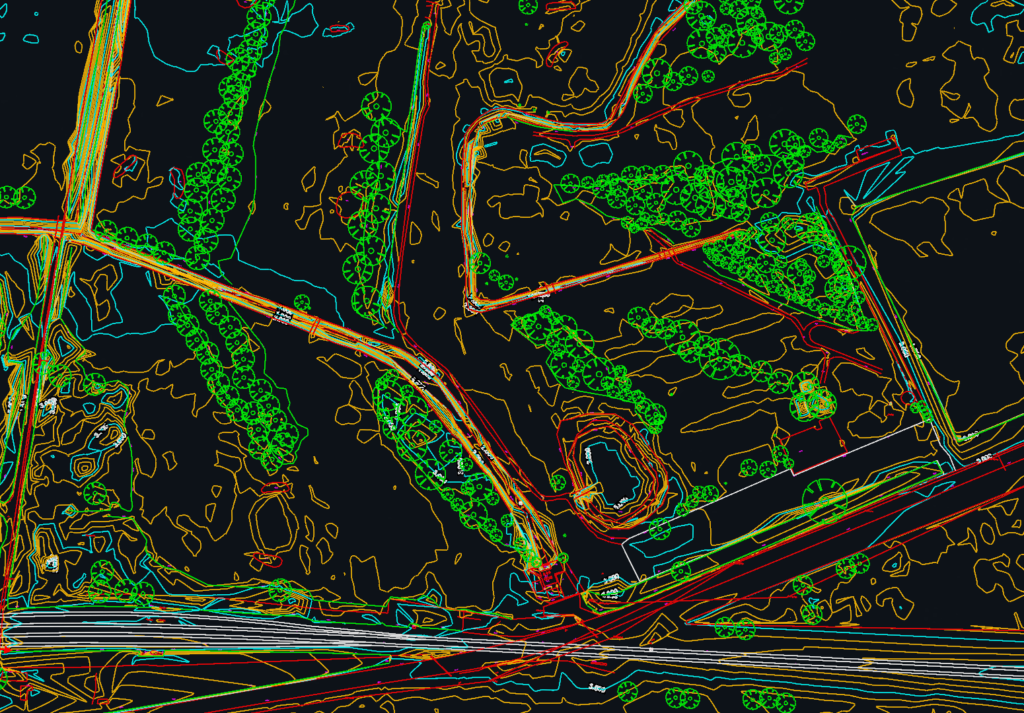
We combine utility detection with our topographic and measured surveys, so the services we find are tied to the same survey control and delivered in the same CAD drawings.
GPR detects buried features, including non-metallic pipes and ducts, by sending radar pulses into the ground and recording the reflections.
Mapped to Survey Control
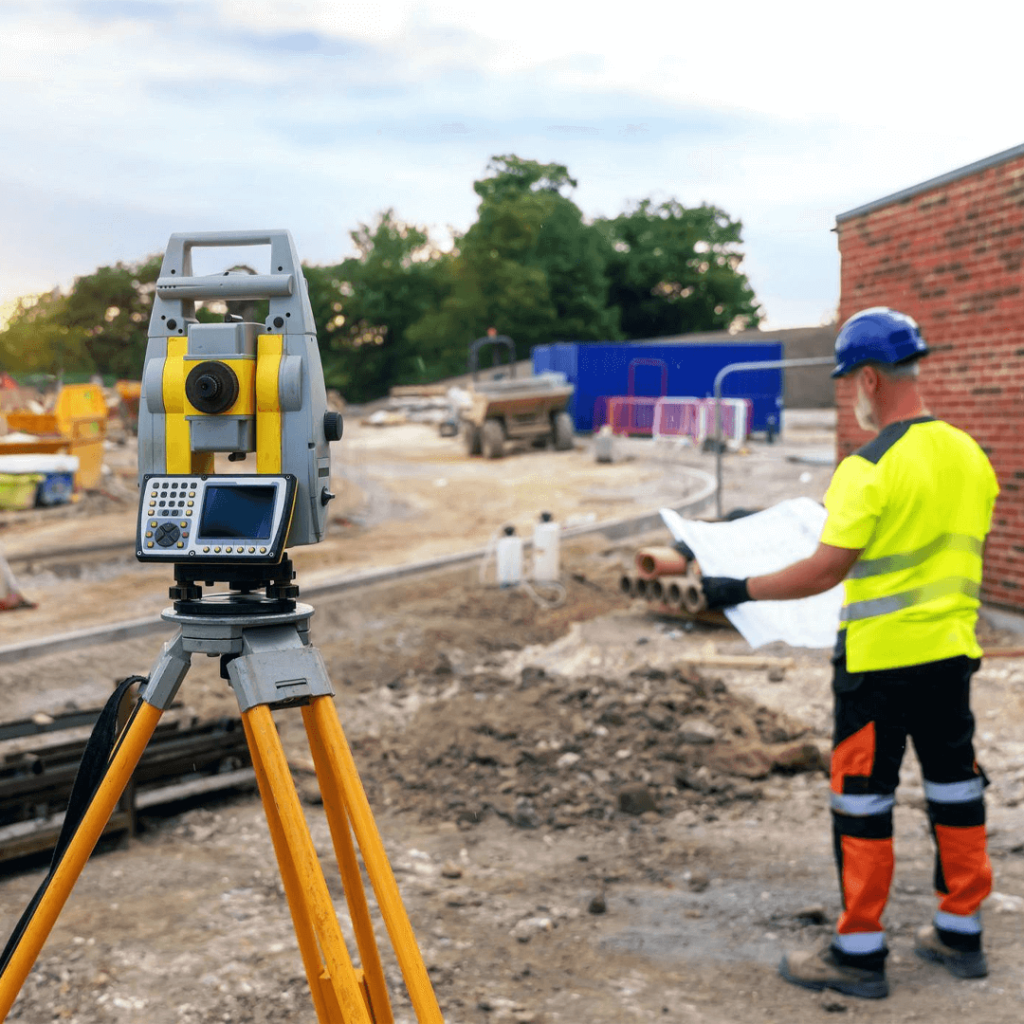
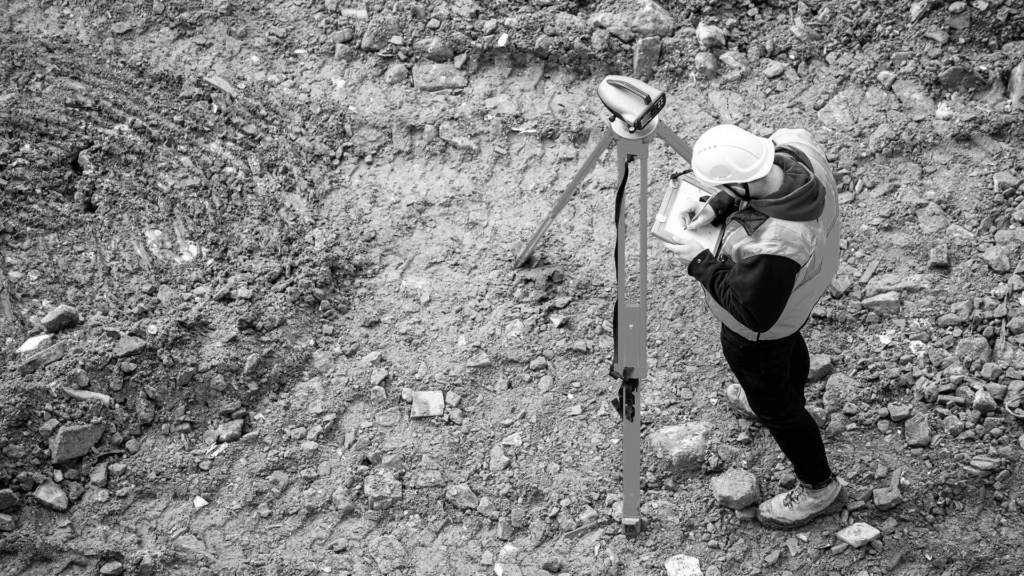
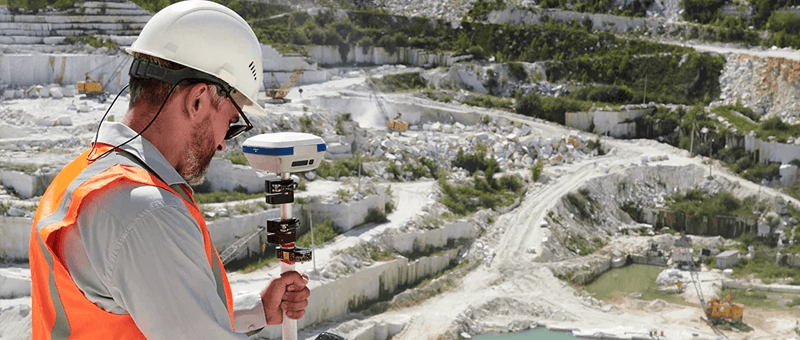
Detected services are positioned with GNSS and total station, so they line up with your topographic survey.
Shown on Your Drawings
Results delivered in 2D CAD alongside the topographic survey, ready for design and planning.
How a GPR Utility Survey Works
We scan the area of interest with GPR in a grid of passes, then interpret the radar data to identify buried services and features. Their positions are marked and surveyed, then added to the site drawing. How deep and clearly GPR can detect a feature depends on the ground conditions and the size and material of the service, so we explain any limitations alongside the results.
Why Choose Matrix Advanced Surveying for Utility Surveys?
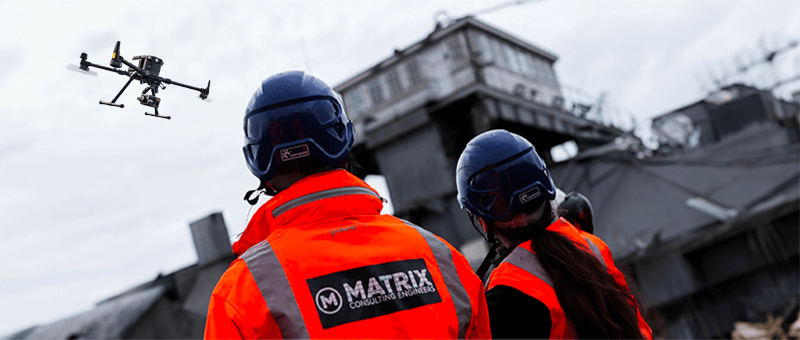
Combining utility detection with topographic and measured surveys gives you one consistent dataset for the whole site, from one team. Our sister company, Matrix Consulting Engineers, can use it to design drainage, foundations and other below-ground works around the services found.
Reduce Strike Risk
Knowing where buried services are before excavation helps avoid damage, delays and danger on site.
Non-Metallic Services
GPR can pick up plastic and clay pipes and ducts that some other detection methods miss.
One Survey Dataset
Utilities, levels and site features delivered together on the same survey control.
Clear Reporting
We explain what was found and any limits of the detection, so designers know how to use the results.
Engineering Support
Direct access to the civil and structural engineers at Matrix Consulting Engineers.
READY TO START
YOUR NEW PROJECT?
Please fill in the form and we will get back to you as soon as possible to discuss your new project.